Gion or Downtown Kyoto
Choose Gion and Higashiyama for historic lanes in the evening; choose Downtown for dining, transport, and a wider choice of stays. The two areas are an easy walk apart.
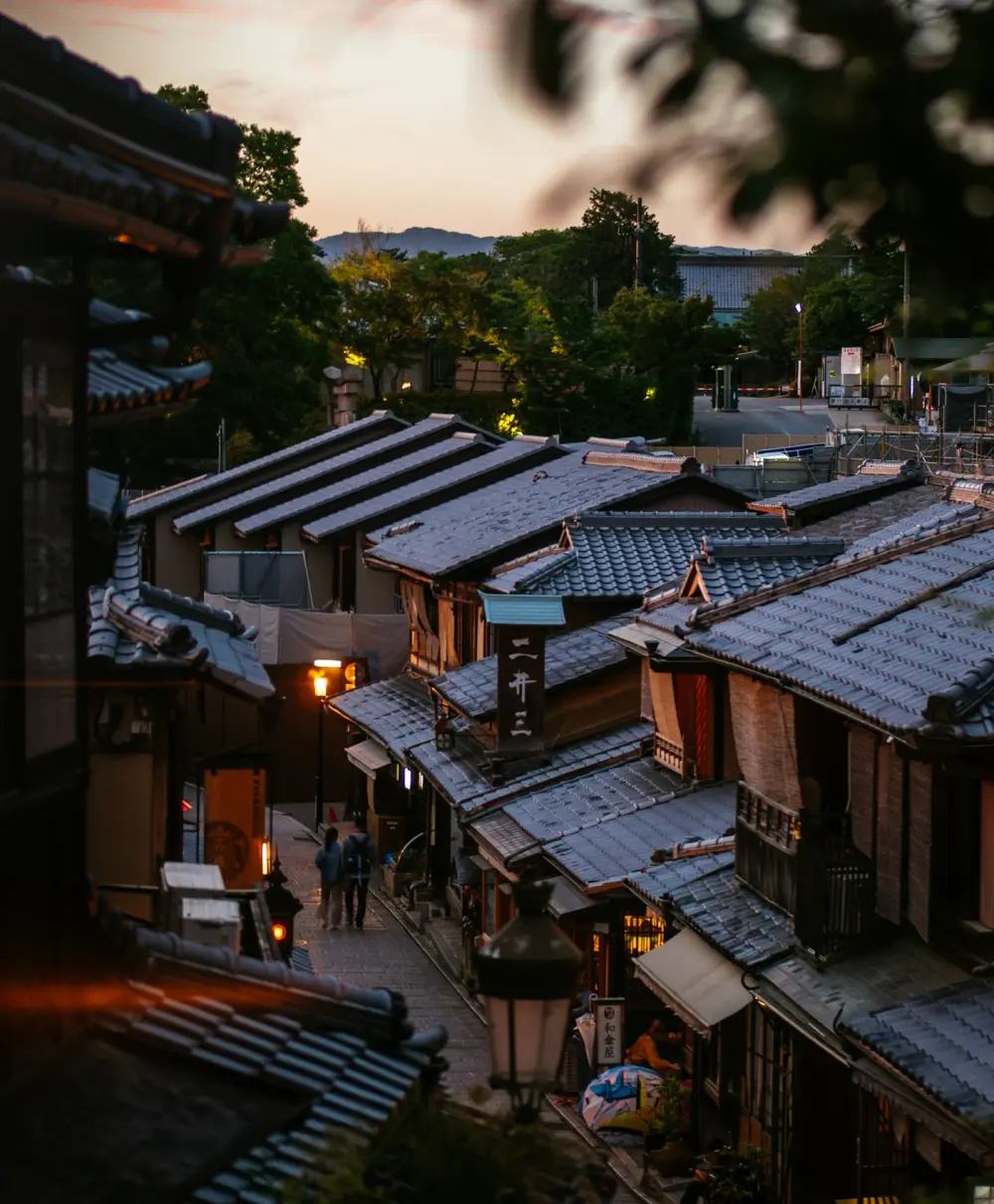
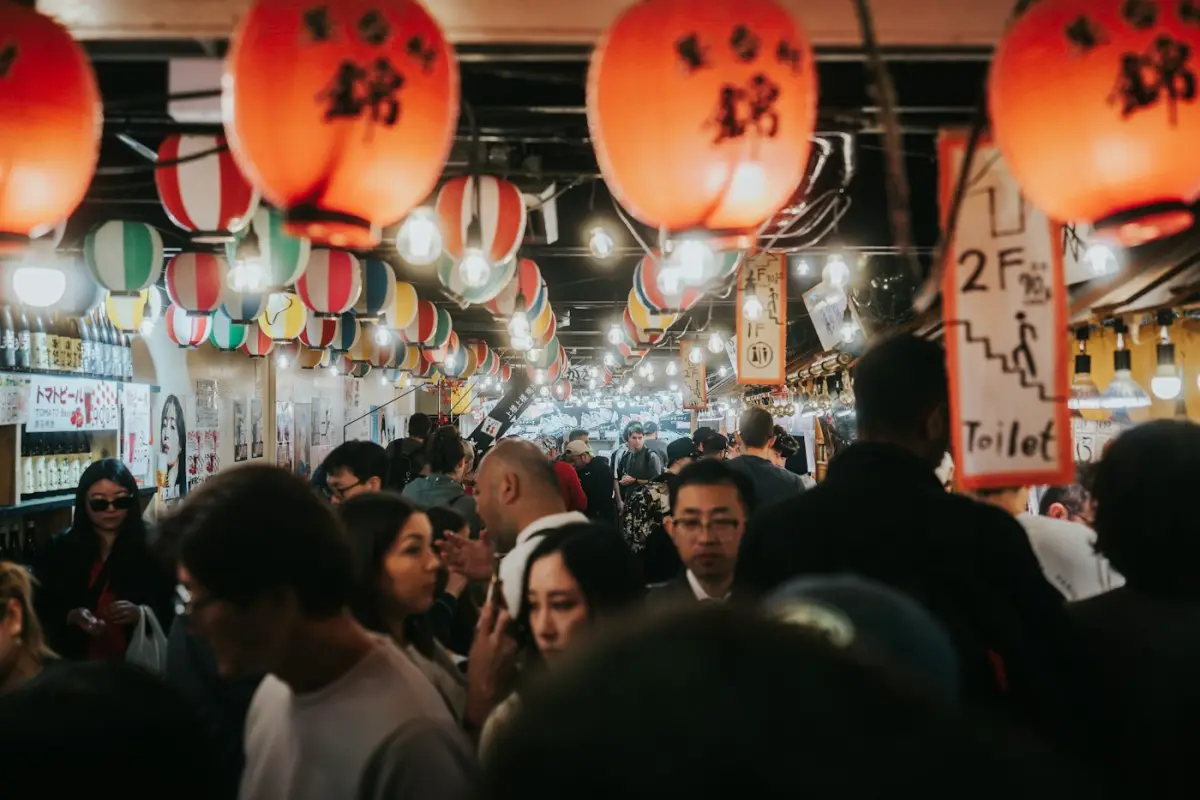
Photography: Gion by Cosmin Serban · Downtown Kyoto by Dex Ezekiel.
Choose Gion-Higashiyama to live inside the atmosphere: machiya inns, long-standing ryokan, and luxury hotels near the historic lanes and temple approaches, with earlier dinners and quieter nights. Choose Downtown (Kawaramachi-Pontocho) for ease: the city's food core, later options, a wider lodging mix, and Gion across the river on an easy walk. Romantic and lodging-led stays lean Gion; first trips, families, and food-led travellers lean Downtown.
Optional Stay22 link optimisation is controlled separately. Manage that choice.
What sleeping in Gion actually buys
Gion's product is hours, not amenities. After dark, when the tour flow reverses, the stone-paved lanes of Shirakawa and the Higashiyama slopes revert to lantern light, wooden facades, and footsteps — and the people walking them are the ones sleeping there. At dawn the same geometry repeats around the temple approaches. Machiya townhouse inns and ryokan deliver this with tatami, baths, and often kaiseki dinners; what they do not deliver is late food, lobby convenience, or nightlife. The district goes quiet early, and that quiet is the amenity. Keep to permitted routes, respect private-property and photography signs, avoid blocking streets, and never follow or photograph geiko or maiko without permission.
What Downtown does that Gion cannot
Downtown Kyoto is the operating system: Nishiki Market and the Kawaramachi grid for food, Pontocho's riverside lane, transit lines, and a broad lodging range. Its aesthetic peaks — Pontocho at dusk and the Kamo river banks — are real, but you live in a modern city core and visit the historic one. Kyoto Travel explicitly describes Gion as an easy walk from Shijo-Kawaramachi, which is the fact that makes Downtown the lower-friction answer.
Price, dinner, and the workable hybrid
Gion-Higashiyama and Downtown differ first by lodging format, not by a stable price rule. The official area guide highlights long-standing ryokan and luxury hotels in Gion-Higashiyama and a wider mix in Shijo-Kawaramachi and Shijo-Karasuma. Compare equivalent live rooms for the exact dates. If the ryokan format is the centrepiece, one chapter there with the remaining nights Downtown can preserve both atmosphere and evening flexibility.
Choose the Kyoto evening you want to keep
Gion and Downtown can share sightseeing days; the room decision is often about dinner, the return walk and the property itself.
Arrival day
Trace the luggage route from Kyoto Station to the actual entrance. For a small historic-area property, ask about stairs, reception and arrival instructions before committing.
A full day
Keep the eastern historic sights together, then compare the evening return to Gion with dinner and transport around Downtown. Follow the city’s visitor guidance in residential and private lanes.
Before moving on
Resolve bags and the onward train before adding a final distant sight. Choose a last morning you can enjoy without racing back across town.
Compare the whole stay
Compare the same room facilities and included meals. Atmosphere, room size and service are property-level differences rather than a fixed Gion-versus-Downtown tariff.
Count the repeated dinner and transport journeys from each address, including the final walk after an evening out.
What to arrange first
- Choose the evening routine and room style.
- Confirm the luggage route and property access.
- Reserve the room before timed cultural visits.
Planning expanded:
Choose by the job the base must do.
Official area context supports the geography and visitor offer. The fit and rejection rules are Premier Asiana editorial synthesis, reviewed 2026-09-11; field verification has not yet been completed.
Gion and Higashiyama
heritage district- Choose when
- Atmosphere-led Kyoto base for historic lanes at dawn and after day-trip crowds leave.
- Avoid when
- Avoid when late dining, broad hotel choice, and frictionless day-trip logistics matter most.
Check the actual luggage approach and the property’s entrance rules. Build the evening around public streets and reserved venues, respecting signs and residential lanes instead of treating every alley as an attraction.
Official area contextKyoto Travel: Choosing an accommodation area
Downtown Kyoto
city-centre district- Choose when
- Food, hotel-range, and evening-ease base around Kawaramachi with Gion across the river.
- Avoid when
- Avoid when waking inside preserved historic streets is the defining purpose of the stay.
Choose around the dinner streets and rail stations you will repeatedly use. A central stay works best when the final walk, luggage access and return after an evening out are all straightforward.
Official area contextKyoto Travel: Choosing an accommodation area
Prepared by El Premier for Premier Asiana. Official-source facts and editorial synthesis are kept distinct; changing details stay with their operators.
- First published
- Evidence checked
- Evidence set
- 4 official sources
- How it was made
- Read the decision method
The questions people actually ask.
Use the short answers below to settle the practical details before you book.
Is it better to stay in Gion or downtown Kyoto?
Downtown for most trips: the food core, broad lodging choice, later evenings, and Gion across the river on an easy walk. Gion-Higashiyama when atmosphere is the point — machiya and ryokan stays near the historic lanes, with earlier and quieter nights.
Are ryokan in Gion worth the price?
It can be, when the ryokan format itself is a trip priority: tatami rooms, meal structure, and proximity to the historic east side are part of the stay, not extras around a generic room. Compare the inclusions and cancellation terms against a Downtown hotel for the same dates; a one- or two-night ryokan chapter keeps the decision deliberate.
How far is Gion from downtown Kyoto?
Close enough that Kyoto Travel describes Gion as an easy walk from Shijo-Kawaramachi across the Kamo River. Exact hotel-to-hotel time varies by block; the choice is about where you wake up and how you want the immediate evening environment to feel.
Common mistakes that weaken the trip.
Entry rules, transport timetables, sea and season conditions, and prices can change. Check the current detail with the linked official sources.
Booking a Gion ryokan and expecting hotel logistics — late check-ins, late dinners, and lobby services are exactly what the format trades away.
Writing off Gion as 'too crowded' from a midday visit; the crowd is the day-trip tide, and residency is the escape from it.
Choosing Downtown and never crossing the river after dark — the easy walk into Gion is one of the base's main advantages.
Splitting every night across both sides for symmetry: one move maximum. Kyoto stays are short; packing steals its best hours.
Keep the plan coherent.
Move between guides by decision type: which destination, which area, and how to split the nights.
Where to stay in Kyoto
Kyoto's base decision is atmosphere versus logistics: Downtown's food and ease, Gion's historic evenings, the Station's day-trip efficiency, or Arashiyama's riverside quiet. How to choose, honestly.
Tokyo or Kyoto
Tokyo is the modern metropolis, Kyoto the historic one, and the Tokaido Shinkansen makes them a pair. When a first trip should take both, how to weight the nights, and when to pick just one.
Current details belong to official sources.
Entry requirements, timetables, opening hours, sea conditions, and prices change. Use this page for the decision and the sources below for the current details.
- Kyoto Travel: Visitor guidelinesOfficial visitor conduct in Gion: respect private property, photography restrictions, working geiko and maiko, and residents’ access to streets.Kyoto City Tourism Association · checked
- Kyoto City Official Travel GuideKyoto's official city travel guide: districts, temples and gardens, visitor-conduct guidance in Gion, and seasonal crowding advice.Kyoto City Tourism Association · checked
- Kyoto Travel: Getting AroundOfficial district geography, rail and bus access, station alternatives, luggage guidance, and current crowd-management routes.Kyoto City Tourism Association · checked
- Kyoto Travel: Choosing an accommodation areaOfficial stay-choice comparison across Kyoto Station, Shijo-Kawaramachi and Shijo-Karasuma, Gion and Higashiyama, and Saga-Arashiyama.Kyoto City Tourism Association · checked
How we verify
Every claim on this site is either traced to a named official source or stated as editorial judgment, and figures we could not verify are left out rather than estimated. Seasons are described as stable patterns, never as forecasts for your dates.